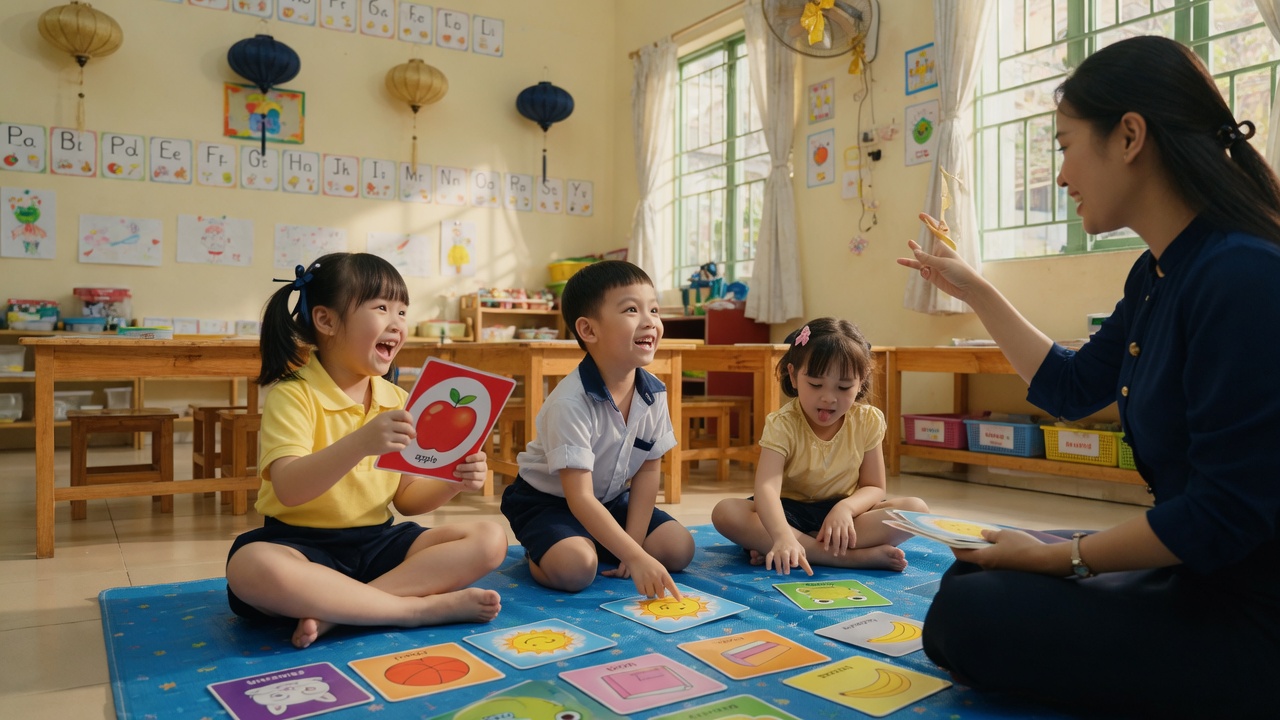
Let's play an English game: what are Starters, Movers and Flyers?
Learning English is a lot like playing a video game: you start as a beginner, level up bit by bit and unlock new moves. Starters, Movers and Flyers are three levels in a row, made just for kids aged 6 to 12.
Owen & Co. Advisory Team · 4 min read
Published 14/09/2026
Drafted with AI assistance and edited by the Owen & Co. team.
Imagine that learning English is just like playing a video game! When you first jump in, you're a total beginner, wobbling your way through level 1. Then, little by little, you level up and unlock new moves to beat the boss.
Starters, Movers and Flyers (dreamed up by teachers at the University of Cambridge, all the way over in England) are three levels in a row, made just for kids aged 6 to 12:
Level 1: Starters – "Learning to crawl" (around grades 1 and 2)
What do you do in this level? It's like when you've just created your character. You only need to know really familiar words: dog, apple, red, the numbers 1 to 10, or how to say "My name is Bi."
What does the test look like? It isn't scary at all! The test is like a colouring picture book: you match pictures to words, colour in a fish, and then have a friendly little chat with the examiner for a few minutes.
Level 2: Movers – "Running and jumping" (around grades 3 and 4)
What do you do in this level? You've levelled up! Now you don't just know single words. You're starting to put them together into short sentences to tell a story: whether it's rainy or sunny today, what your hobbies are, or that the cat is climbing a tree.
What does the test look like? There are still cute pictures, but you'll listen to slightly longer conversations, write a few short sentences on your own, and spot the differences between two pictures.
Level 3: Flyers – "Wings on, zooming off" (around grades 4 and 5)
What do you do in this level? This is the final boss of primary school! It's like you've unlocked a pair of wings and can fly wherever you like. Now you can chat confidently with people from other countries, read and understand a short story, and tell someone what just happened.
What does the test look like? It's almost as cool as the tests the big kids take. You'll write a complete short story based on some pictures and answer a few slightly trickier questions.
The best part: nobody gets "held back" in this game!
The most amazing thing about this test is that there's no pass or fail.
Nobody gets a zero, and nobody gets told they're "rubbish".
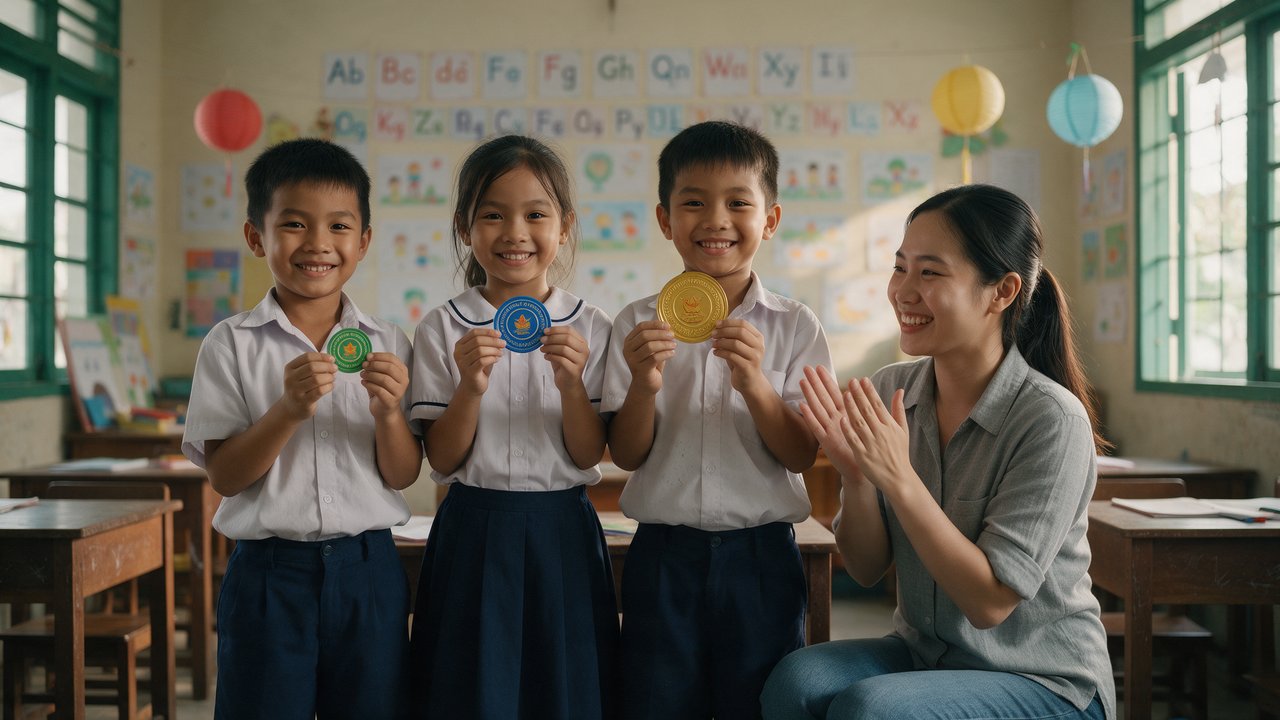
Everyone who takes the test gets a beautiful certificate to take home, frame and hang on the wall.
Your score isn't a boring number. Instead, you earn knight's shields (up to 15 shields across the three parts: Listening, Reading & Writing, and Speaking). The more shields you collect, the stronger your English powers!
So, in short
- Starters: Just getting to know English.
- Movers: Walking, and even running a little.
- Flyers: Wings ready to soar into the big, wide sky of English!
Take it one step at a time, like clearing levels in a game, and before you know it, speaking English will feel as easy as eating sweets!
Frequently asked questions
My child hasn't taken Starters yet. Are they falling behind?
Not really. Taking a test too early, while listening and speaking are still shaky, often turns lessons into exam-trick drills. Many children need time to get comfortable with English before they see a test paper. Taking a level later is better than taking the wrong one.
Once my child passes Flyers, are they done with English?
No. Flyers is the last of the young-learner levels. Next come KET and PET, then more academic qualifications. A certificate is a milestone, not a finish line.
My child gets top marks at school. Does that replace Cambridge?
No, they measure different things. School marks mostly reflect material that has been revised in class. Cambridge tests listening, speaking, reading and writing in an international format. A child can do very well in one and less well in the other.